Why Pollinators Need Your Garden
Pollinators — bees, butterflies, hummingbirds, and moths — are responsible for helping roughly 75% of flowering plants reproduce, yet their populations are declining sharply due to habitat loss, pesticide use, and climate change. The good news: even a small garden planted with the right flowers makes a meaningful difference. A well-designed pollinator garden isn't just good for the ecosystem — it buzzes with life, color, and movement from spring through frost, making it one of the most dynamic and rewarding gardens you can grow.
Design for Continuous Bloom
The single most important principle is providing nectar and pollen across the entire growing season, not just midsummer. Pollinators that emerge in early spring need food immediately, and late-season species need fuel to prepare for winter. Plan your garden in relay layers: spring-blooming bulbs — tulips, hyacinths, and irises — provide the earliest nectar. As bulb foliage fades, annuals from seed take over: cosmos, sunflowers, annual phlox, and corn poppies carry the garden through summer. Perennials like black-eyed Susans, bellflowers, and cushion mums extend bloom into fall. And summer-planted bulbs — dahlias, gladiolus, and alliums — provide bold late-season focal points that keep pollinators fed until frost.
The Best Pollinator Flowers We Carry
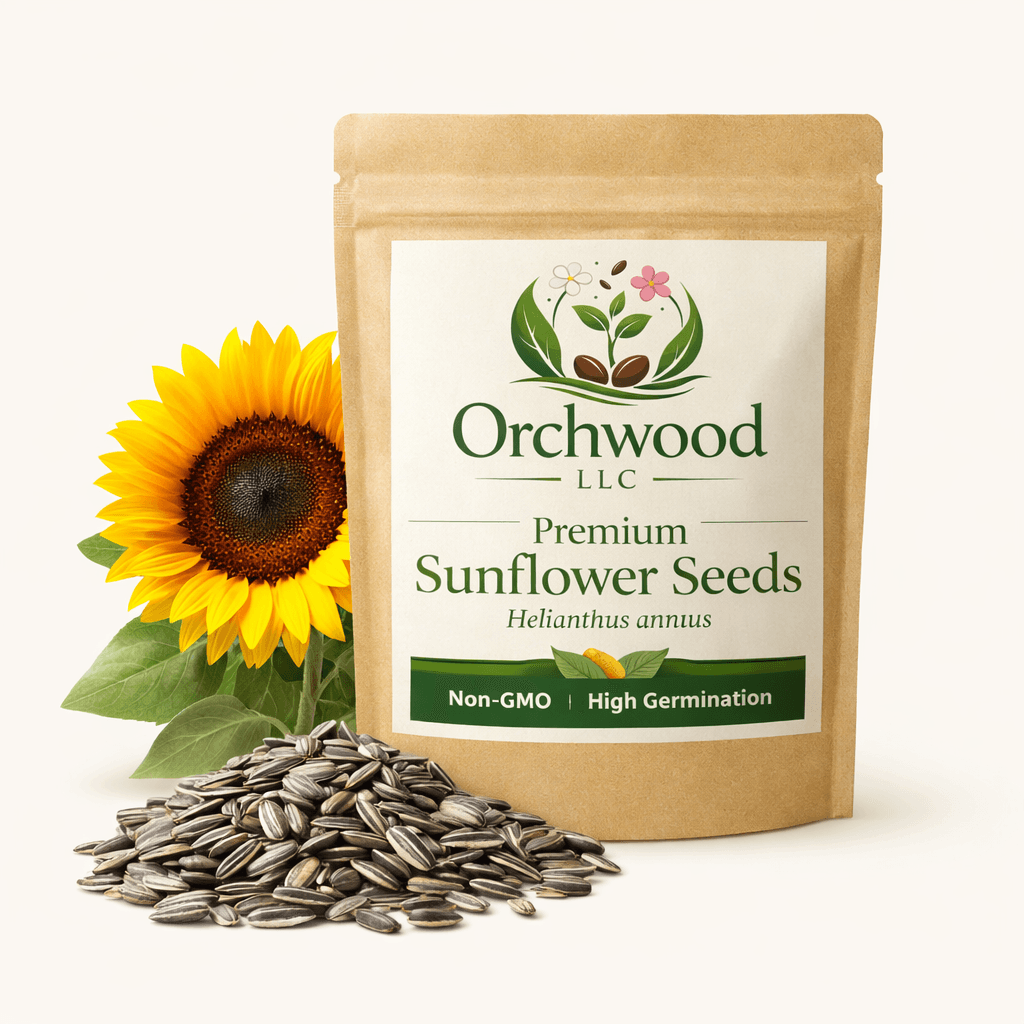
Cosmos are one of the top pollinator plants — their open, daisy-like flowers provide easy access to nectar for bees and butterflies alike, and they bloom non-stop from midsummer until frost. Sunflowers are magnets for bees and provide seeds for birds in fall. Annual phlox keeps lower bed layers flowering for small bees and hoverflies that forage close to the ground. Corn poppies are among the first annuals to bloom, providing critical early-summer pollen for bees. Black-eyed Susans are native perennial powerhouses that bloom from midsummer well into fall. Nasturtiums attract hummingbirds with their tubular flowers. And creeping thyme is an outstanding ground-level nectar source — bees work its tiny flowers intensely when it blooms in early summer.
Plant in Clusters, Not Singles
Pollinators find food more efficiently when flowers are grouped in clusters of at least 3 to 5 plants of each variety rather than scattered individually. Use a mix of flower shapes to attract different pollinators: flat, open blooms like cosmos and black-eyed Susans for butterflies; tubular flowers like nasturtiums, petunias, and climbing jasmine for hummingbirds and moths; and small clustered flowers like phlox and gomphrena for native bees. A tip from university extension research: avoid heavy double-petalled flowers for pollinator beds, as the extra petals can block access to nectar. Choose single-flowered varieties when the primary goal is feeding pollinators.
Beyond the Flowers
A complete pollinator habitat includes more than just blooms. Provide a shallow water source — a saucer filled with pebbles and water gives bees and butterflies safe landing spots to drink. Leave patches of bare soil for ground-nesting native bees, which account for about 70% of bee species. Avoid all pesticides in and near the pollinator garden, including organic ones like neem oil, which can harm beneficial insects on contact. And resist the urge to clean up everything in fall — dried stems provide overwintering habitat for native bees, and seed heads on sunflowers, cosmos, and black-eyed Susans feed birds through winter.