The Joy of Cutting from Your Own Garden
There is something deeply satisfying about walking into your garden with scissors in hand and cutting an armful of flowers for the kitchen table. A dedicated cutting garden is easier to plan than you might think, and the rewards are enormous — fresh bouquets all season long at a fraction of florist prices. The key is choosing varieties with long stems, prolific blooming, and good vase life, then planting enough to cut generously without leaving your garden bare.
Top Cut Flowers to Grow
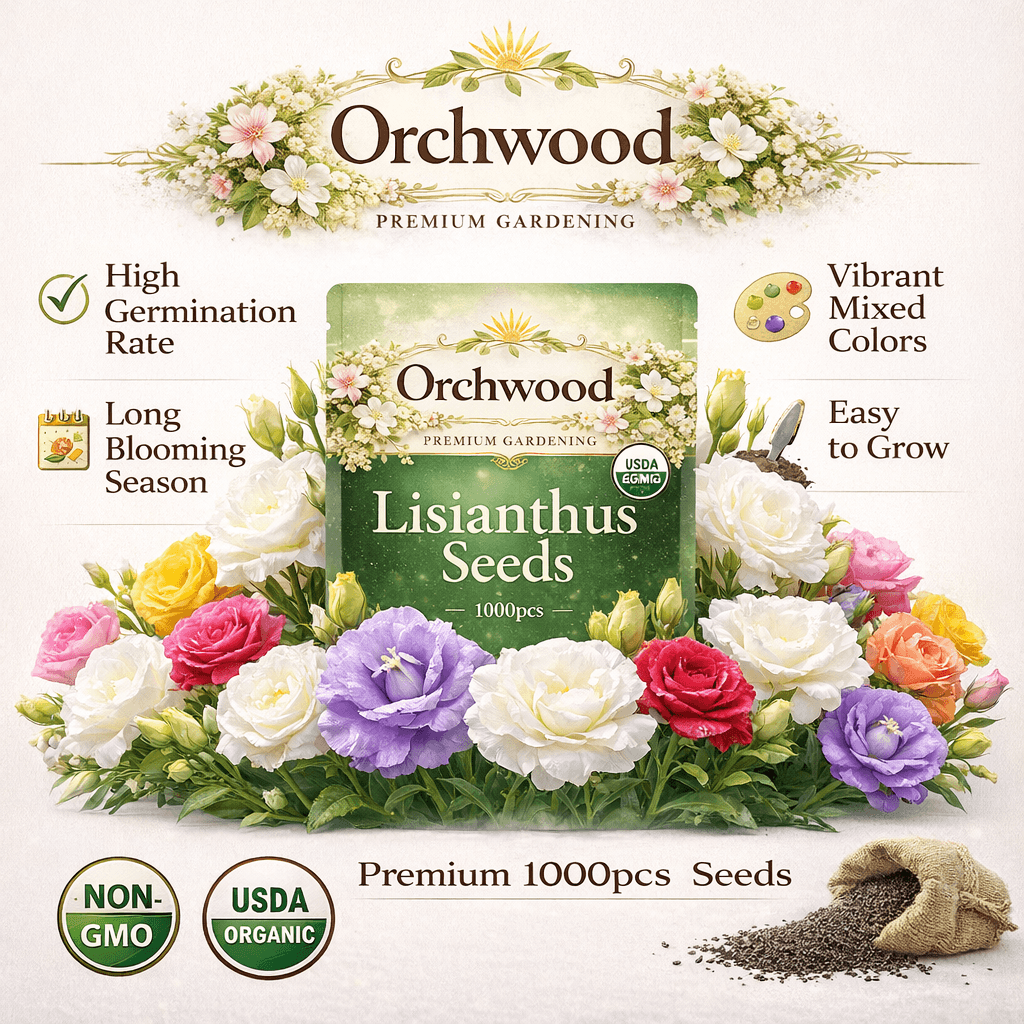
Lisianthus is the crown jewel of any cutting garden. Its ruffled, rose-like blooms are a staple of professional florist bouquets, and for good reason — they have an exceptional vase life of 10 to 14 days when properly conditioned. Lisianthus takes patience to grow from seed (start 12 to 16 weeks early), but the payoff is extraordinary. Sunflowers, especially multi-branching varieties, are cut-flower workhorses with a vase life of 7 to 12 days and bold focal presence in any arrangement. Double gerbera daisies bring cheerful, graphic blooms in vivid colors — their sturdy stems and long-lasting flowers make them a favorite for simple, modern bouquets. Cosmos add elegant, airy texture and filler — they're generous cut-and-come-again bloomers that produce more flowers the more you cut.
Bulbs That Make Exceptional Cut Flowers
Don't overlook bulbs for your cutting garden. Dahlias — both double and single varieties — produce spectacular cut flowers from midsummer through frost. Their vase life is shorter (5 to 7 days) but their impact is unmatched. Gladiolus give dramatic vertical lines — cut when the bottom two or three florets are open and the rest will continue opening in the vase. Ranunculus, with their layers of paper-thin petals, are among the most sought-after wedding flowers and grow beautifully from corms planted in spring. Lilies — especially our double-petalled perfume varieties — provide dramatic, fragrant focal flowers. And tulips make gorgeous spring bouquets; cut them tight and they'll continue to open and grow in the vase.
Layout and Succession Planting
Organize your cutting garden in rows for easy access and harvesting. Space rows 18 to 24 inches apart with walking paths between them. Plant taller flowers — sunflowers, dahlias, gladiolus, lisianthus — on the north side so they don't shade shorter varieties like gerberas and cosmos. The secret to non-stop bouquets is succession planting: sow quick-growing annuals like cosmos and sunflowers every 2 to 3 weeks from last frost through early summer. This staggers bloom times so you always have fresh flowers coming on as earlier plantings are cut.
Harvesting and Conditioning for Maximum Vase Life
Cut flowers in early morning when stems are fully hydrated from overnight moisture. Use sharp, clean scissors or pruners and cut at a 45-degree angle to maximize the stem's water uptake surface. Place stems immediately into a bucket of clean, lukewarm water — even a few minutes of air exposure lets air bubbles form in the stem that block water flow. For the longest vase life, strip all foliage that would sit below the waterline (submerged leaves rot and breed bacteria), change the water every 2 days, and re-cut stems each time. Adding commercial flower food or a homemade solution of 1 teaspoon sugar and 2 drops of bleach per quart of water provides nutrients and inhibits bacterial growth.