About Euphorbias
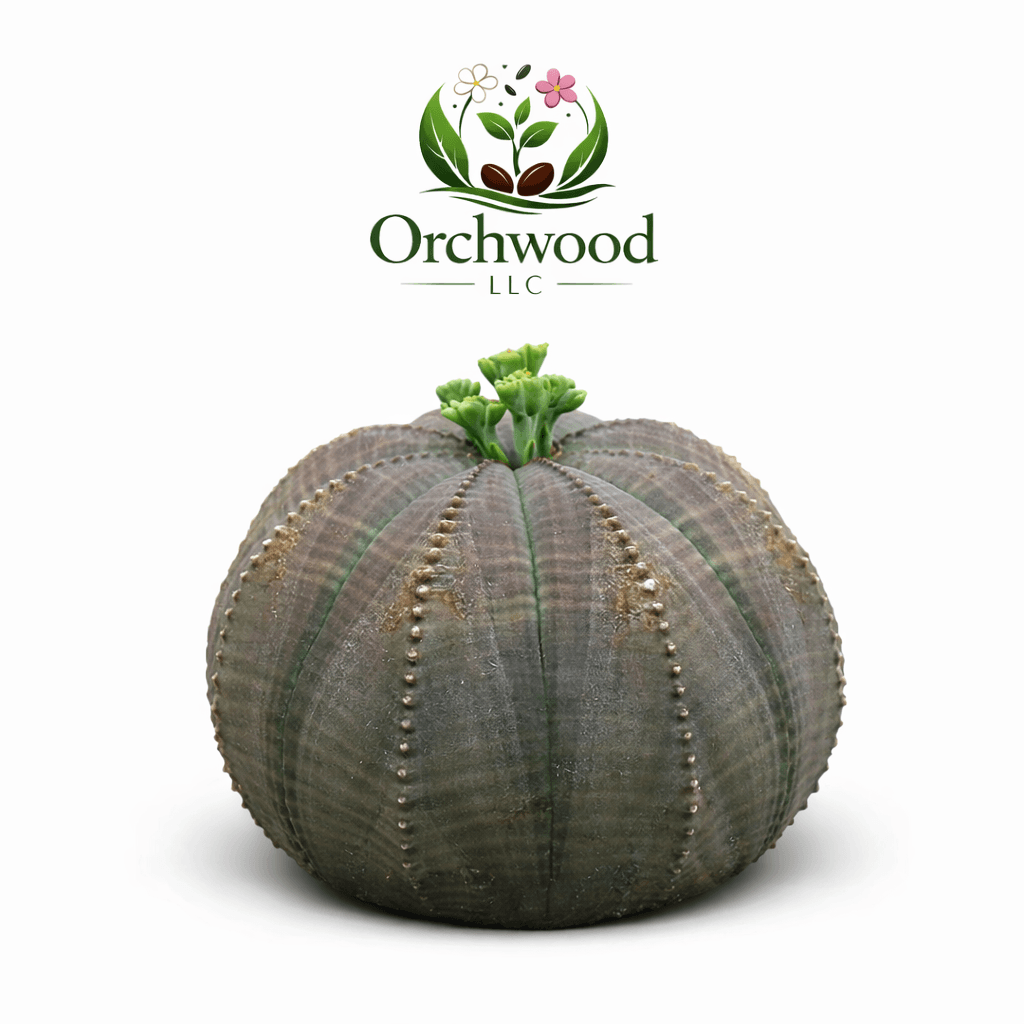
Euphorbia obesa (baseball plant) is one of the most fascinating succulents — a nearly perfect sphere with subtle ridges and markings that looks like a small, living baseball or sea urchin. It grows very slowly, eventually reaching softball size over many years. Crested euphorbia (Euphorbia lactea cristata) produces an extraordinary fan-shaped or brain-like crested growth form that looks almost alien — it's one of the most unique houseplants you can own. Both are easy-care conversation starters.
Light
Euphorbias tolerate lower light better than most succulents, though they still prefer brightness. Give them bright, indirect light for best growth. Euphorbia obesa handles some direct morning sun. Crested euphorbia prefers filtered light — intense direct sun can scorch its unusual crest. Both do well near east- or west-facing windows.
Watering
Water sparingly. During spring and summer, water every 2 to 3 weeks, allowing soil to dry completely between waterings. In winter, reduce to once a month or less. Euphorbia obesa is particularly drought-tolerant and stores substantial water in its spherical body. Overwatering causes root rot and can split the plant. When in doubt, wait another week.
Soil & Containers
Use an extra-gritty soil mix — up to 70% mineral content (perlite, pumice, or coarse sand) mixed with 30% potting soil. Both species need excellent drainage. Use small pots proportional to the plant — euphorbias don't need much room. Terracotta pots with drainage holes are ideal.
Important Safety Note & Care
All euphorbias produce a white, milky latex sap when cut or damaged that is irritating to skin and eyes. Handle with care and wash hands after contact. Aside from this, euphorbias are very low-maintenance. They grow slowly and rarely need repotting. Feed sparingly — once or twice during the growing season with a diluted cactus fertilizer is plenty. Display euphorbias alongside lithops, agaves, and echeverias for a collection that showcases the incredible diversity of succulent forms.