About Annual Phlox
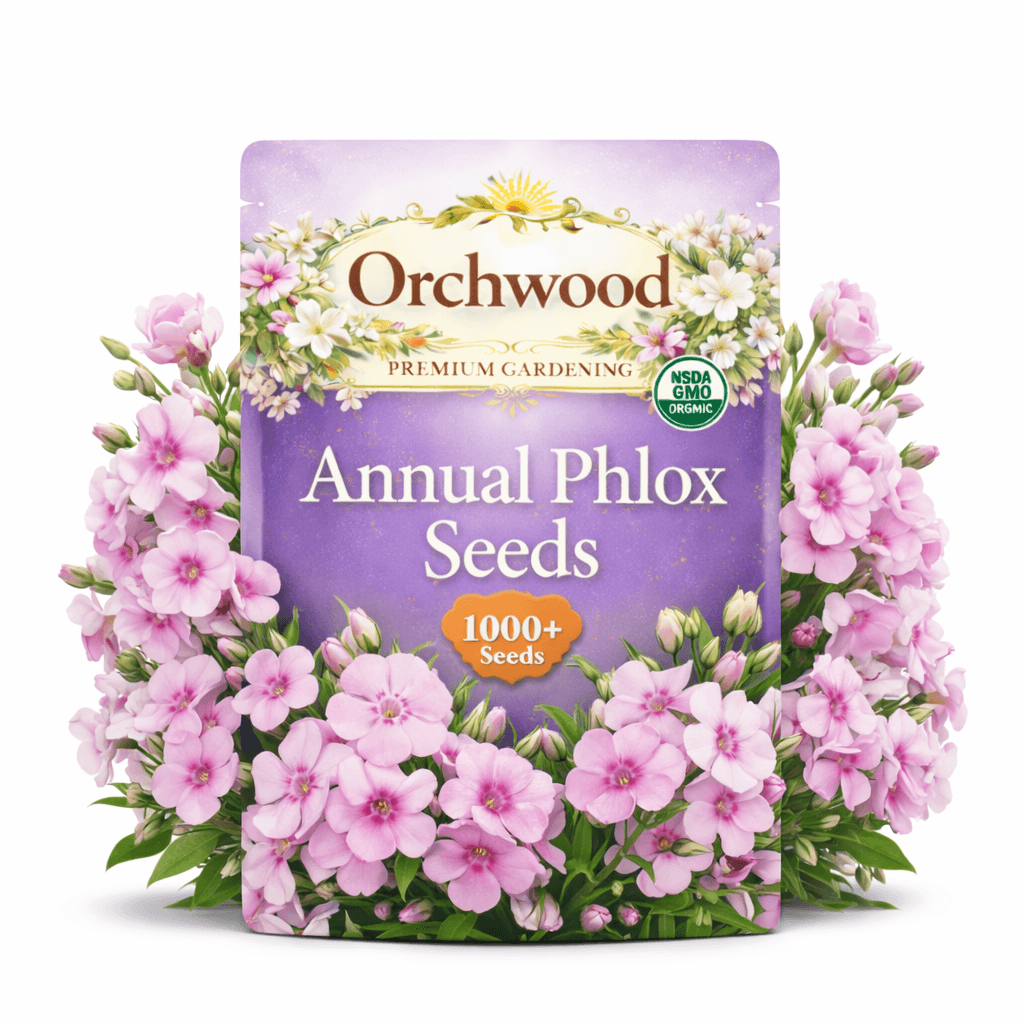
Annual phlox (Phlox drummondii) is a fast-growing, heat-loving annual that produces dense clusters of sweetly fragrant blooms in vibrant shades of pink, purple, red, and white. Growing just 6 to 12 inches tall, it's ideal as a border edging, ground cover, or container plant. Unlike its taller perennial cousins, annual phlox blooms from seed in a single season and attracts butterflies and hummingbirds throughout summer.
Starting from Seed
Start seeds indoors 6 to 8 weeks before your last frost date. Sow seeds on the surface of moist seed-starting mix and press lightly — phlox seeds need darkness to germinate, so cover trays with newspaper or black plastic until sprouts appear. Maintain soil temperature at 65-70°F. Germination takes 10 to 15 days. Once seedlings have two sets of true leaves, thin or transplant to 3-inch pots. You can also direct sow outdoors after the last frost, scattering seeds on prepared soil and covering lightly with 1/8 inch of fine soil.
Planting Out
Transplant hardened-off seedlings after all danger of frost has passed. Choose a location with full sun — at least 6 hours of direct sunlight daily. Space plants 8 to 10 inches apart in well-drained, moderately fertile soil. Annual phlox tolerates a range of soil types but performs best in loamy soil amended with a little compost. Avoid heavy clay that stays waterlogged.
Watering & Feeding
Water regularly to keep soil evenly moist but not soggy, especially during hot weather. About 1 inch of water per week is ideal. Avoid overhead watering — wet foliage encourages powdery mildew. Water at the base of plants in the morning. Feed with a balanced liquid fertilizer every 3 to 4 weeks during the growing season to sustain prolific blooming.
Ongoing Care & Tips
Deadhead spent flower clusters regularly to encourage continuous blooming through fall. If plants become leggy in midsummer, shear them back by one-third — they'll regrow and produce a fresh flush of flowers. Annual phlox pairs beautifully with creeping thyme at its feet and taller cosmos or sunflowers behind it. It's also one of the best pollinator flowers for the ground layer of a garden, where small bees and hoverflies forage close to the soil.