About Black-Eyed Susans
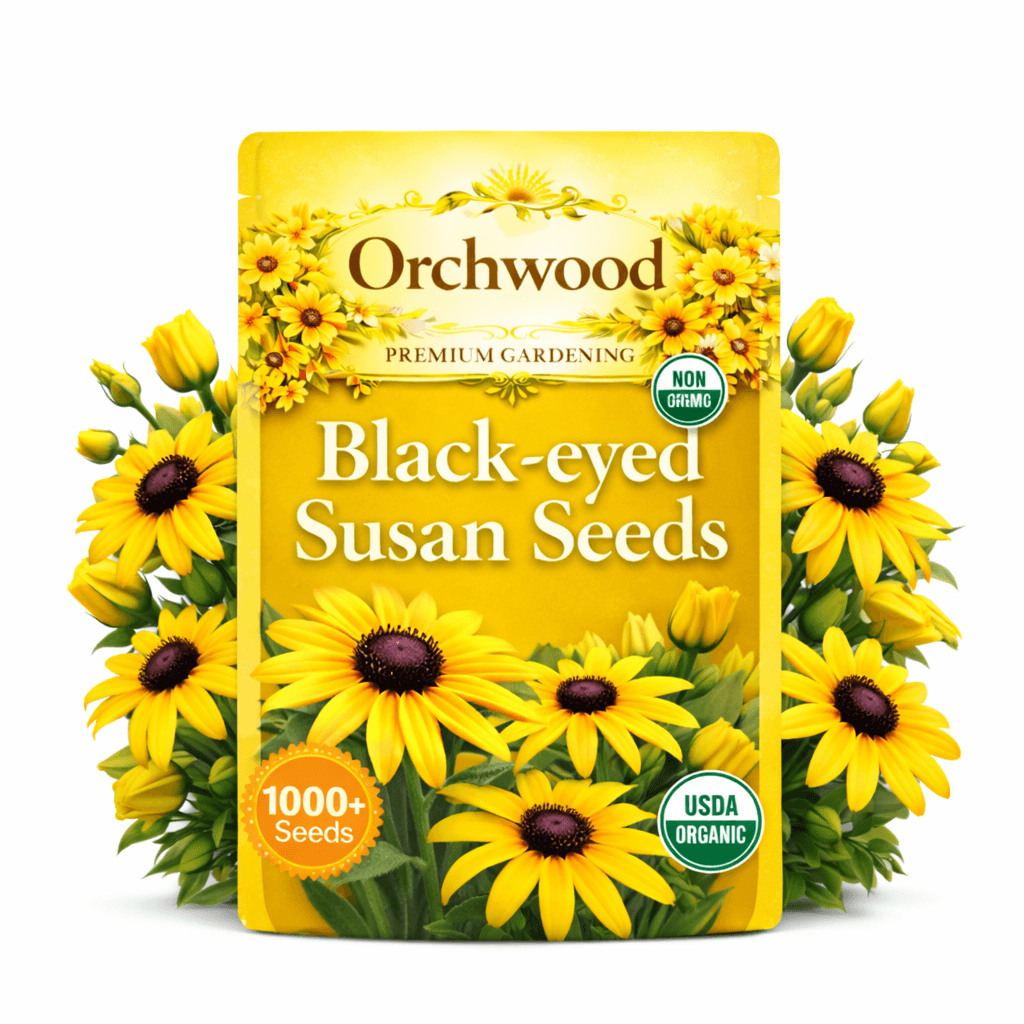
Black-eyed Susans (Rudbeckia) are iconic native wildflowers that produce cheerful golden-yellow daisy-like blooms with dark brown or black centers. Growing 2 to 3 feet tall, they bloom reliably from midsummer well into fall — a season when many other perennials have finished. They're drought-tolerant, deer-resistant, and one of the most important pollinator plants you can grow, attracting bees, butterflies, and beneficial insects in large numbers.
Starting from Seed
Start seeds indoors 6 to 8 weeks before last frost, or direct sow outdoors in early spring (2-4 weeks before last frost) or in fall for cold stratification over winter. Sow on the surface of moist seed-starting mix — do not cover, as rudbeckia seeds need light to germinate. Germination takes 7 to 21 days at 70°F. Fall-sown seeds often produce stronger plants with better bloom the following season, as the cold stratification breaks dormancy naturally.
Growing Conditions
Plant in full sun for the best blooms, though they tolerate light partial shade. Space 12 to 24 inches apart. Black-eyed Susans adapt to most soil types but thrive in moderately fertile, well-drained ground. They handle poor soil, clay, heat, and humidity with ease — truly one of the toughest garden perennials available.
Watering & Feeding
Water deeply after planting. Once established, black-eyed Susans are remarkably drought-tolerant and need only occasional supplemental watering during prolonged dry spells. Apply a balanced slow-release fertilizer in spring if soil is poor. Over-fertilizing causes floppy growth. Mulch lightly to conserve moisture and suppress weeds.
Ongoing Care
Remove spent flowers to extend blooming, or leave some seed heads for birds — goldfinches love rudbeckia seeds. In late fall or early spring, trim dead stems to the ground. Every 3 to 4 years, divide established clumps in spring to rejuvenate growth and prevent overcrowding. Black-eyed Susans combine perfectly with cosmos, corn poppies, and annual phlox in wildflower-style borders, and they're outstanding companions for ornamental grasses and fall-blooming cushion mums.