About Gomphrena
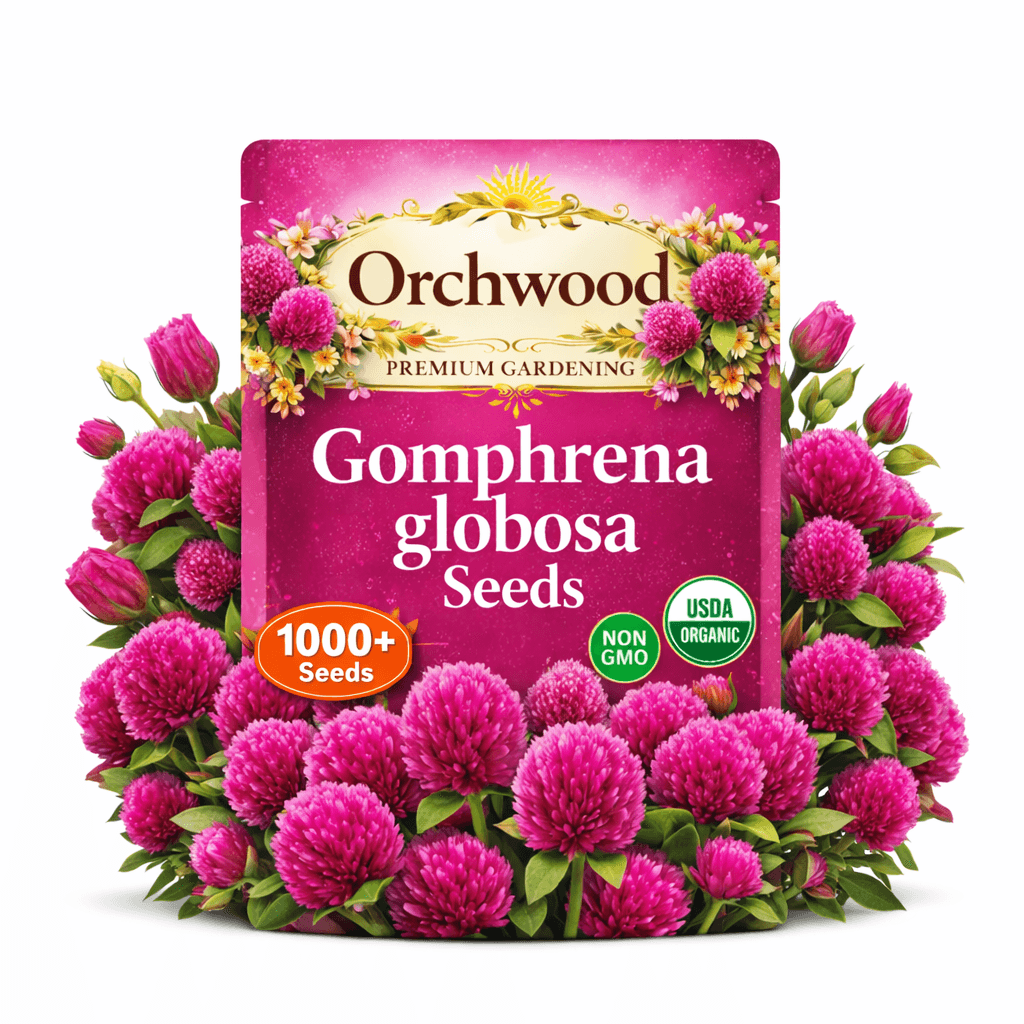
Gomphrena globosa, commonly known as globe amaranth, produces charming rounded flower heads in vivid magenta, purple, pink, and white that look like cheerful little clover blooms. Growing 12 to 24 inches tall, these heat-loving annuals bloom from midsummer through frost and are one of the best flowers for drying — the blooms retain their color and shape almost indefinitely. Globe amaranth is also an excellent pollinator plant, particularly for bees and butterflies.
Starting from Seed
Start seeds indoors 6 to 8 weeks before the last frost. Gomphrena has a naturally lower germination rate (50-75%), so sow extra. Soaking seeds in lukewarm water for 24 to 48 hours before planting dramatically improves germination. Place seeds on the surface of moist seed-starting mix — they benefit from light exposure. Use a heat mat set to 70-75°F. Germination takes 7 to 14 days. Keep soil consistently moist but not waterlogged.
Planting Out
Transplant after all danger of frost when temperatures are consistently above 70°F — gomphrena is very heat-loving and sulks in cool conditions. Choose a spot with full sun (6 to 8 hours minimum). Space plants 9 to 12 inches apart in well-drained soil. Globe amaranth adapts to a range of soil types and tolerates heat, humidity, and periodic dry spells once established.
Watering & Feeding
Water deeply once a week during dry periods, allowing the soil to dry between waterings. Gomphrena is more drought-tolerant than most annuals. It needs little to no supplemental fertilizer — add compost at planting time and that's sufficient. Over-fertilizing can reduce flower production.
Ongoing Care & Harvesting
Deadhead regularly to encourage continuous blooming, or harvest flowers for drying. To dry, cut stems when flowers are fully colored and hang upside down in a dark, well-ventilated area for 2 to 3 weeks. The dried blooms hold their color for months to years. In the garden, gomphrena pairs well with French marigolds, sunflowers, and cosmos for a warm-toned, pollinator-friendly border. Its compact, clover-like flower heads add unique textural contrast to bouquets alongside larger blooms like dahlias and lisianthus.