About Hydrangeas
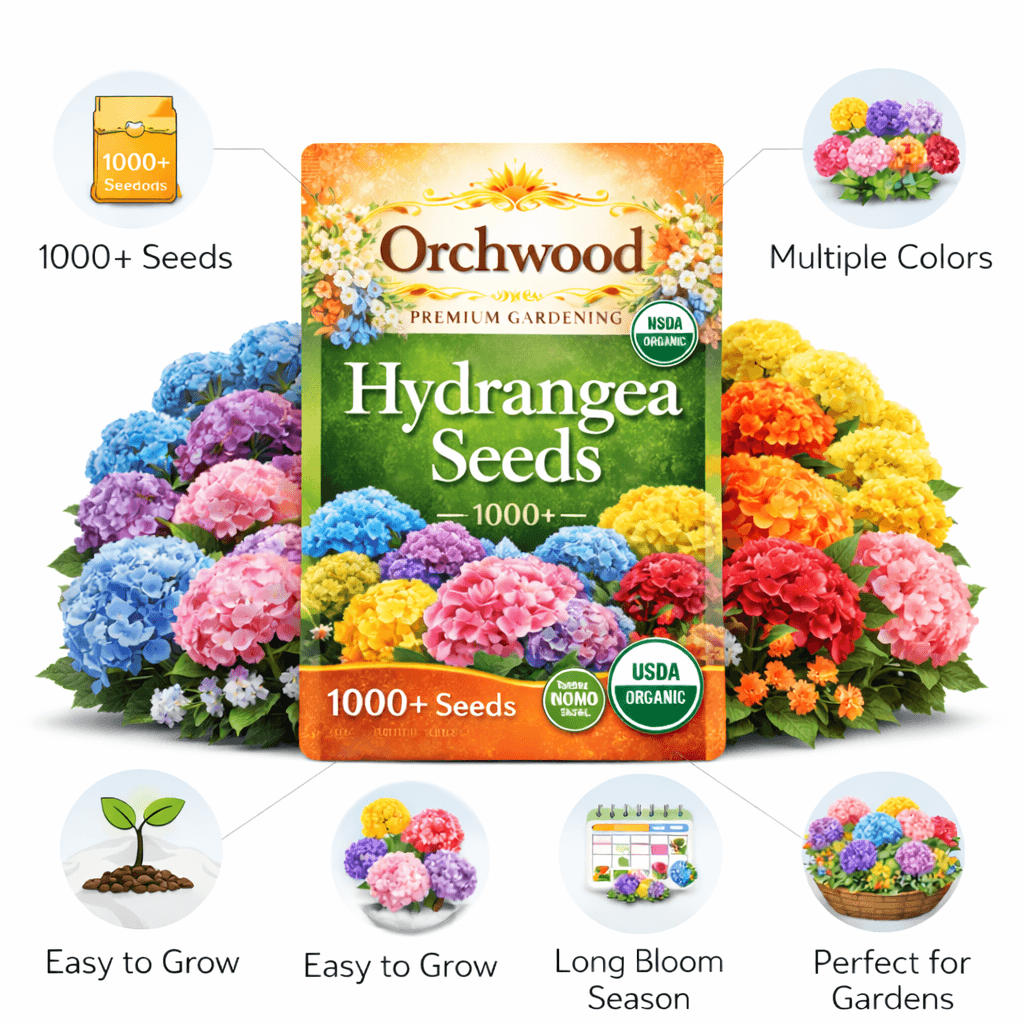
Hydrangeas are beloved flowering shrubs producing massive, showy flower heads in blues, pinks, purples, and whites. They're prized for their ability to change bloom color based on soil pH — a fascinating garden trick. Growing from seed is a long-term project (plants take several years to reach blooming size), but it's rewarding for patient gardeners who want to grow these spectacular shrubs from scratch.
Starting from Seed
Start seeds in late winter to early spring in seed trays filled with light, moist growing medium. Press seeds gently onto the soil surface — do not cover, as they need light to germinate. Maintain temperature around 65-70°F and mist regularly to keep soil damp but not soggy. Cover trays with a clear humidity dome. Germination takes 14 to 30 days. Once seedlings develop several sets of true leaves, transplant to individual pots.
Planting Out
Transplant outdoors after the last frost, once plants are well-established (typically the following spring). Choose a spot with morning sun and afternoon shade — hydrangeas need light but suffer in intense midday heat. Space 3 to 6 feet apart depending on mature variety size. Plant in rich, well-drained soil heavily amended with organic matter, compost, and bark.
The pH and Color Secret
Bigleaf and mountain hydrangeas change flower color based on soil pH and aluminum availability. Acidic soil (pH below 5.5) produces blue flowers — aluminum is available for uptake. Alkaline soil (pH above 6.0) produces pink flowers — aluminum is locked out. To make flowers bluer, add sulfur or aluminum sulfate to acidify the soil. For pink, add garden lime to raise pH. White and green hydrangea varieties are not affected by pH. Test your soil before adjusting.
Ongoing Care
Keep soil consistently moist — hydrangeas are heavy drinkers and wilt quickly in dry conditions. Mulch heavily with organic matter to retain moisture and keep roots cool. Use a fertilizer high in phosphorus (not nitrogen) in early spring and midsummer. Prune according to variety — some bloom on old wood (prune after flowering) and others on new wood (prune in late winter). Hydrangeas pair beautifully with forget-me-nots, primroses, and bellflowers in shady woodland gardens.