The Magic of Bulbs
Flower bulbs are nature's pre-packaged gardens. Each bulb, tuber, or corm contains everything needed to produce a stunning bloom — you just need to get it in the ground at the right time and depth. Few things in gardening deliver as much impact for as little effort as a well-planned bulb display, and by combining fall-planted and spring-planted varieties, you can have bulbs blooming from the earliest days of spring through the first fall frost.
Fall-Planted Bulbs: Tulips, Hyacinths, and Irises
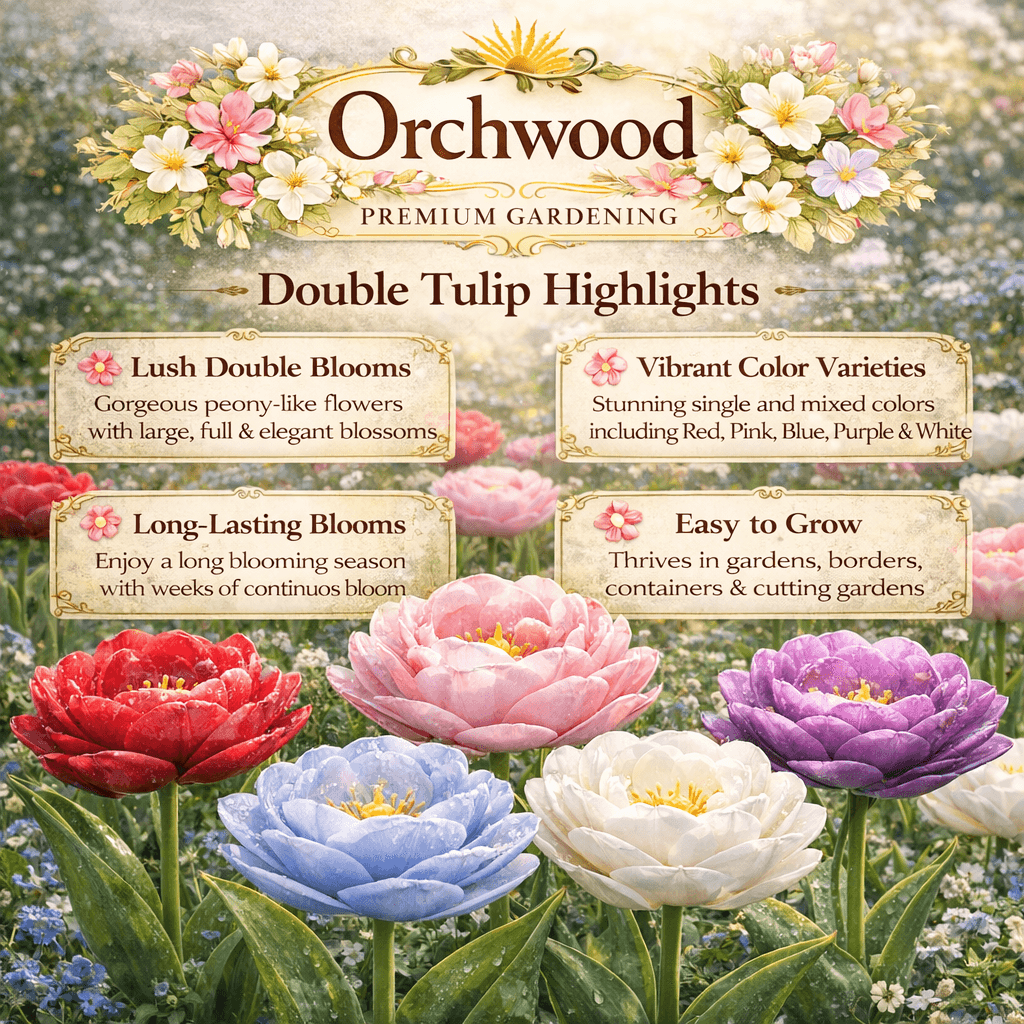
Plant these in autumn, 6 to 8 weeks before the ground freezes, so bulbs develop roots before winter dormancy. Tulips are the stars of spring, and we carry four distinct types — double tulips with peony-like ruffled blooms, dramatic parrot tulips with deeply fringed and feathered petals, elegant native tulips, and classic single tulips. Plant all tulip bulbs 6 to 8 inches deep with the pointed end up, in well-drained soil with a neutral to slightly acidic pH (6.0-7.0). Space them 4 to 6 inches apart and plant in groups of at least 10 for real impact. Hyacinths add extraordinary fragrance to the spring garden — plant them about 6 inches deep and 6 inches apart. Their dense flower spikes perfume the air for weeks. Double irises, with their intricate, ruffled blooms, should be planted about 4 inches deep. All fall-planted bulbs prefer a location with full sun and soil that doesn't stay soggy in winter, as waterlogged bulbs rot.
Spring-Planted Bulbs: Dahlias, Lilies, and Specialty Types
Wait until after your last frost to plant tender bulbs and tubers. Dahlias — available as both double and single varieties — are the queens of the summer garden, producing elaborate blooms from midsummer until frost. Plant tubers 6 to 8 inches deep in rich, well-drained soil once the ground reaches 60°F. Crucially, do not water dahlia tubers until sprouts emerge above the soil, as moisture on dormant tubers causes rot. Stake tall varieties at planting time. Lilies produce dramatic, often fragrant blooms on tall stems — we carry double-petalled perfume lilies, single lilies, graceful calla lilies, and delicate rain lilies. Plant lily bulbs 6 to 8 inches deep, and calla lily rhizomes about 4 inches deep. All lilies prefer rich, well-drained soil in full to partial sun.
Specialty Bulbs Worth Growing
Double amaryllis make spectacular indoor displays with enormous, many-petalled trumpet blooms — plant in a pot with the top third of the bulb above the soil line. Allium giganteum produces dramatic purple spheres on tall stems that are architectural showstoppers in any garden — plant 6 inches deep in fall. Gladiolus give wonderful height with their sword-like flower spikes — plant corms 4 to 6 inches deep in spring, staggering plantings every 2 weeks for continuous bloom. Ranunculus produce layer upon layer of paper-thin petals resembling tiny roses — soak corms overnight and plant 2 inches deep with the claw side down. Anemones, with their vivid jewel-toned blooms, are planted similarly. And saffron crocus is the spice gardener's prize — each fall bloom produces three precious saffron threads.
Planning for Succession
The secret to a months-long bulb display is layering. In a single bed, plant early tulips and hyacinths for spring, transition to alliums and irises for late spring, then let lilies, dahlias, and gladiolus carry the display through summer and fall. Interplant bulbs with annuals grown from seed — cosmos, annual phlox, and marigolds — to fill gaps as bulb foliage yellows and dies back. Never cut bulb foliage while it's still green, as the leaves are photosynthesizing to recharge the bulb for next year's bloom.