Why Succulents Are Worth the (Minimal) Effort
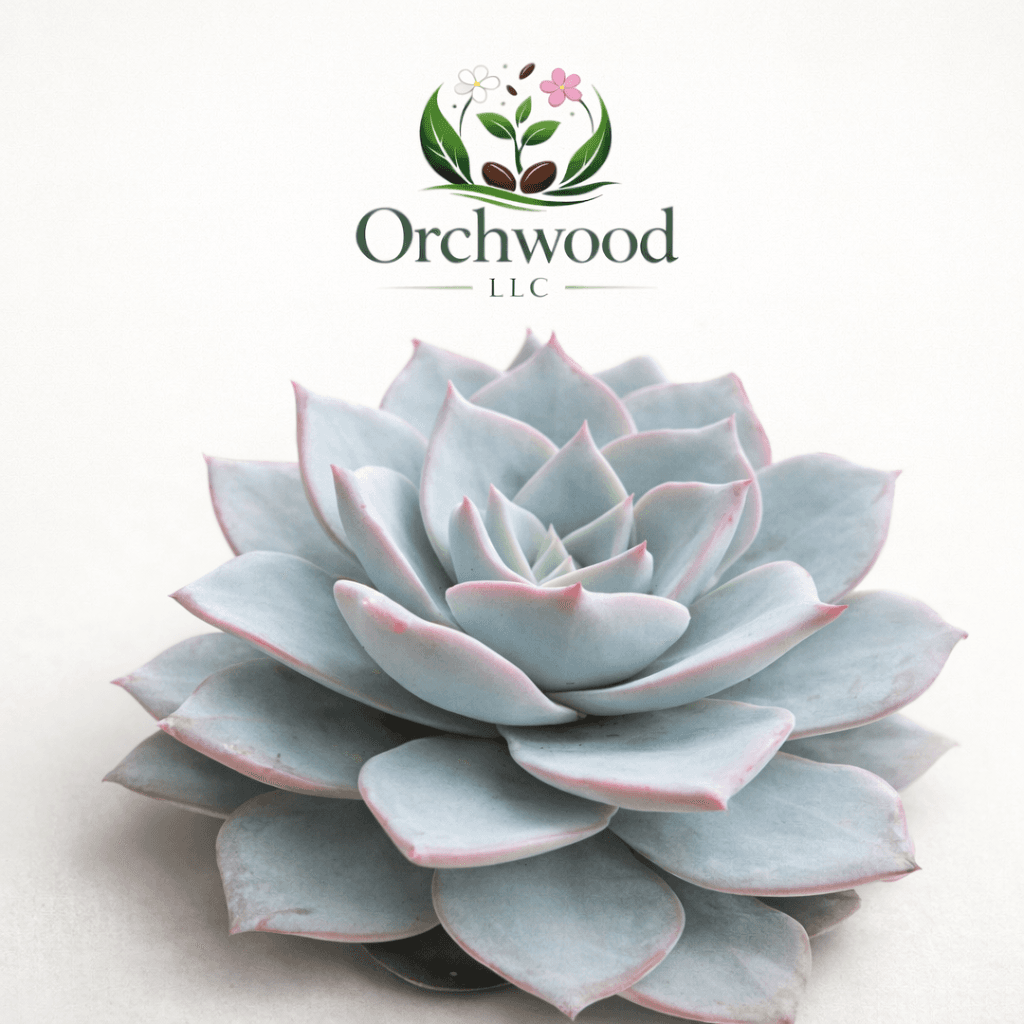
Succulents are among the most rewarding houseplants you can grow. They come in an astonishing variety of shapes, colors, and textures — from the geometric perfection of Echeveria peacockii's blue-gray rosettes to the bizarre living-stone camouflage of lithops to the architectural drama of Queen Victoria agave. They're low-maintenance, slow-growing, and remarkably forgiving. But "low maintenance" doesn't mean "no maintenance." Understanding a few key principles makes the difference between succulents that merely survive and ones that truly thrive.
Light: The Most Underestimated Factor
Most succulents need bright, indirect light for at least 6 hours daily. South- or east-facing windows are ideal. Echeverias — including varieties like Echeveria chihuahuaensis, Echeveria purpusorum, and Echeveria Orion — develop their most vivid colors (pinks, purples, and reds) when they receive plenty of bright light, a process called stress coloring. If your succulents start stretching upward with widening gaps between leaves (etiolation), they need more sun immediately. Agaves like Queen Victoria, molded wax, and shiroshima can handle direct sun and even prefer it. Lithops and Conophytum bilobum also need strong light but appreciate some protection from intense afternoon sun in hot climates. On the other end, Euphorbia obesa and crested euphorbia tolerate lower light better than most succulents, though they still prefer brightness.
Watering: Less Than You Think, but Correctly
Overwatering is the number one killer of succulents. The golden rule: water thoroughly, then let the soil dry completely before watering again. For most succulents in active growth (spring through fall), this means watering roughly every 7 to 14 days depending on pot size, temperature, and humidity. In winter, when growth slows dramatically, stretch this to every 3 to 4 weeks or even less. Lithops have a unique watering schedule — water from late summer through fall during their active growth, then stop entirely through winter and into spring while they absorb their old leaf pair to produce a new one. Golden sedum and pork and beans (Sedum rubrotinctum) are slightly more tolerant of moisture than other succulents but still need well-drained soil. Always water the soil directly, not the rosette — water pooling between leaves causes rot, especially in echeverias and houseleeks.
Soil and Containers
Succulents absolutely require fast-draining soil. Commercial cactus mix works, but for best results, amend it 50/50 with perlite, pumice, or coarse sand. Lithops, Conophytum bilobum, and Euphorbia obesa prefer an even grittier mix — up to 70% mineral content. Always use pots with drainage holes; sitting in water is a death sentence for succulents. Terracotta pots are excellent because they wick moisture away from the soil, providing an extra margin of safety against overwatering. Shallow, wide pots suit rosette-forming plants like echeverias, cobweb houseleeks, and purple houseleeks, while deeper pots work better for tap-rooted species like agaves and gold-tooth aloe.
Display Ideas and Propagation
Succulents look stunning in group arrangements that play with contrasting shapes, sizes, and colors. Try combining the red tones of premium red echeveria with the cool blue of ice green echeveria and the spiky texture of gold-tooth aloe in a shallow terracotta tray. Add a few lithops for whimsical living-stone accents. The tiny Tom Thumb crassula works beautifully as a miniature accent plant in dish gardens. For propagation, most echeverias and sedums root easily from individual leaves — just set a healthy leaf on dry soil, mist lightly every few days, and roots and a tiny plantlet will emerge within weeks. Houseleeks produce offsets (baby plants) freely, which can be separated and potted individually. Agaves also produce offsets, though more slowly.